
Advanced Learner Loan Courses: Student Finance
February 4, 2026
Estimated reading time: 9 minutes
Finding the right advanced learner loan courses doesn’t have to feel overwhelming. We want you to know that these financial options put continuing education within reach for adult learners like you.
Over a million adults in England get back into learning each year. Are you ready to join them? Would you need an advanced learner loan course?
Advanced Learner Loans help pay for course fees. They are for students aged 19 or older. These loans are for eligible qualifications at level 3 or higher.
Further education includes qualifications that post-16 year old students study at college. This applies to level 5 and below in England, Wales, and Northern Ireland. When you’re looking at study loans for adults, it helps to understand what an advanced learner loan actually gives you. These loans focus on vocational and technical qualifications that advance your career or open new opportunities.
Need finance for courses? You have several options available. Most full-time further education students in Scotland don’t pay tuition fees if they meet certain residency conditions. Plus, support like the Education Maintenance Allowance helps 16- to 19-year-old students from low-income households.
This step-by-step guide walks you through everything you need to know about securing and managing an Advanced Learner Loan. From checking your eligibility to understanding repayment terms and finding extra financial support.
Ready to take control of your education? Let’s start.
What is the Advanced Learner Loan?
We can help you gain access to a government-backed scheme designed to help adult learners finance their further education. This financial support removes barriers to education by covering course costs without income assessments or credit checks.
Who can get the loan
An advanced Learner Loan is for individuals aged 19 or older on the first day of their course. You must be a UK national or have ‘settled status’ with no restrictions on how long you can stay in the UK. You also need to have been living in the UK, Channel Islands, or Isle of Man for three years before starting your course.
Non-UK nationals can qualify in certain situations. This includes people with refugee status, humanitarian protection, or specific types of leave to remain.
How we support your learning
We can help adults get back into education by covering the costs of further education and training. You choose the amount you want to borrow (minimum £300) up to the maximum available for your course.
Access to Higher Education courses get special treatment. Complete a higher education course afterwards and Student Finance England will ‘write off’ any outstanding loan balance. You won’t need to repay it.
Repayments start only after you complete or leave your course and once your income exceeds £27,295 a year. You may also qualify for the Advanced Learner Loan Bursary Fund. This fund gives extra help for childcare, travel, books, and other course costs.
Courses that qualify
Eligible qualifications include:
- Level 3 to 6 courses including A-Levels (up to four)
- Access to Higher Education Diplomas
- BTEC Diplomas and Certificates
- National Vocational Qualifications
Your course must last at least two weeks and an approved college or training provider in England must provide it. Your learning provider can offer guidance about course eligibility and provide the application information you need.
Keep it simple: How to Apply for an Advanced Learner Loan
We keep getting your Advanced Learner Loan simple, with our 5 stage process. Once you understand the essential steps, securing finance for courses becomes straightforward.
Step 1: Check your course and provider eligibility
Contact your college or training provider first to verify that your chosen course qualifies for the loan. Your course must be a Level 3, 4, 5 or 6 qualification and offered by an approved institution in England.
Before you continue, see if you can get a grant from the adult skills fund. This is important if you are studying a level 3 qualification. Grants don’t require repayment, so it’s worth discussing this option with your provider first.
Step 2: Create a Student Finance England account
You’ll need to set up an online student finance account. During registration, you’ll receive a unique customer reference number (CRN) and create a password and secret answer. You can register without a National Insurance number. However, you need to obtain one before your loan fully processes.
Step 3: Complete the application form
Complete the online application form with:
- Personal details and contact information
- National Insurance number
- Nationality and residency information
- Course details
- Desired loan amount
You need the ‘Learning and Funding Information’ letter from your college or provider. This letter has important course details for your application.
Step 4: Submit supporting documents
You may need to submit identity verification documents. UK nationals can include valid UK passport details in their application. Non-UK nationals or people without a UK passport must show other documents. These can include birth certificates, national identity cards, or residence permits.
Step 5: Get your Advanced Learning Loan confirmation
You’ll receive a letter confirming your loan, typically within two weeks if you applied online. Paper applications take longer to process. Check that all course details and amounts are correct when you receive this confirmation. If anything appears incorrect, contact Student Finance England immediately.
Complete your loan application before enrolling on your course.
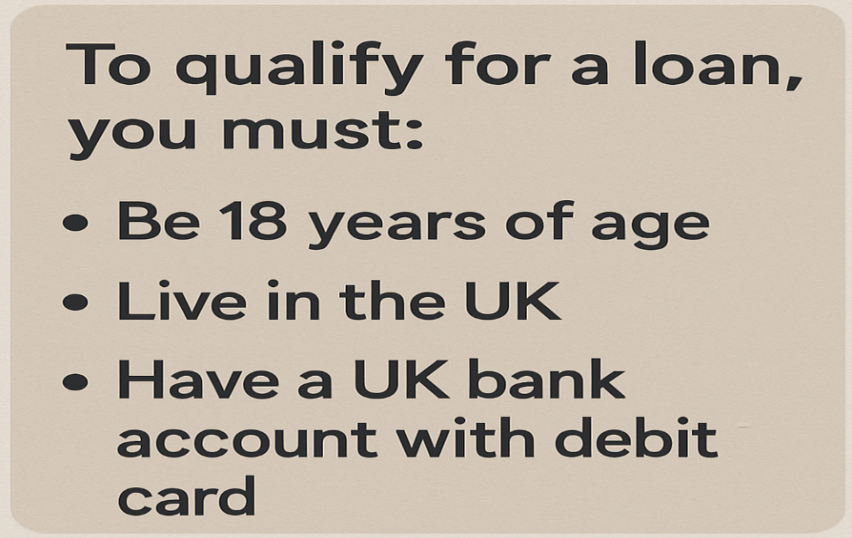
What you need to qualify and how repayments work – Advanced Learner Loan
Several key factors determine if you can access finance for courses through the Advanced Learner Loan scheme. We want you to understand these requirements so you can plan your education effectively.
Age and where you live
You must be 19 or older on the first day of your course. Your residency status matters too. You must live in the UK on the first day of your course. You also need to have lived in the UK, Channel Islands, or Isle of Man for three years before starting.
UK nationals with ‘settled status’ (no restrictions on how long you can stay) meet this requirement. Non-UK nationals can still qualify in certain situations. This includes people with refugee status or those who have lived in the UK for at least 20 years.
Your previous qualifications and loans
Previous qualifications won’t affect your entitlement to your first loan. There is a maximum limit though—you can usually get up to four Advanced Learner Loans in total.
Learners studying AS or A levels get an exception. You’re eligible for up to eight loans for A level study, plus three additional loans for other courses.
When you start paying back advanced learner loan
Repayments start in the April after you complete or leave your course. You only start repaying when your income exceeds £27,295 annually (£524 weekly or £2,274 monthly).
From April 2026, this threshold changes to £25,000 yearly (£480 weekly or £2,083 monthly). The UK tax system collects repayments through PAYE when you work.
What happens if you don’t finish
If you drop your course after 14 days, you still have to pay back the loan.
If compelling personal reasons like illness or bereavement caused your withdrawal, you might qualify for repeat funding. You’ll still be liable for the original loan though—compelling personal reasons don’t eliminate existing loan liability.
Get extra help with your studies
Need more support while studying with your advanced learner loan? You have plenty of options to make your educational journey easier.
Help for parents
Parents get valuable extra assistance beyond basic course finance. The Childcare Grant gives you up to £199.62 weekly for one child or £342.24 weekly for two or more children.
The Parents’ Learning Allowance provides up to £2,024 to help with learning costs. These grants don’t need repayment unless your circumstances change.
Support if you have dependants
Got another adult depending on you financially? You might qualify for an Adult Dependants’ Grant worth up to £3,545. This applies if your household income sits below £15,835.98.
Disabled Students’ Allowance
Students with disabilities can access up to £27,783 for support. This covers specialist equipment, non-medical helpers, extra travel costs, and other study-related expenses.
Bursaries and scholarships
The Loan Bursary Fund helps with:
- Accommodation costs
- Course-related travel
- Materials and equipment
- Childcare expenses
Contact your college or training provider to apply. They determine eligibility and handle payments.
Your employer might help
It is worth talking to your employer about training opportunities. Many companies have training budgets they want to use. Personal savings remain a practical option too.
We consider all credit for these support options. Don’t let financial worries hold back your education goals.
Take control of your education – Advanced Learner Loan
Advanced Learner Loans put further education within reach for adult learners across England. You now understand how these loans pay for course fees for Level 3 to 6 qualifications. This includes A-Levels, BTECs, and Access to Higher Education Diplomas.
The application process? Keep it simple. Check your eligibility, create your Student Finance England account, complete the form, submit documents, and get confirmation. You only start repaying when you earn above £27,295 annually.
Want flexibility? You must be 19 or older and meet UK residency conditions. Previous qualifications won’t stop you – you can get up to four loans throughout your learning journey.
Need extra support? Childcare grants, dependants’ grants, disabled students’ allowances, and bursaries are available. Your employer might sponsor relevant courses too.
Don’t let costs hold you back from continuing your education. This financial support lets you focus on learning rather than worrying about immediate expenses. Education opens doors to better career prospects and personal growth.
Ready to enhance your skills or change career paths? Advanced Learner Loans exist specifically to help adult learners like you achieve your educational goals.
Why not speak to your local college or training provider today? Explore how these loans could support your learning journey.
Your future starts with taking that first step.
FAQs – Advanced Learner Loan
Q1. What are the eligibility criteria for an Advanced Learner Loan?
To qualify, you must be 19 or older on the first day of your course. The course should be a Level 3 to 6 qualification at an approved college or training provider in England. UK residency requirements also apply.
Q2. How does repayment work for an Advanced Learner Loan?
You will start repaying in April after you finish or leave your course. However, this only happens if your income is over £27,295 a year. From April 2026, this threshold will change to £25,000 per year.
Q3. Can I get an Advanced Learner Loan if I already have qualifications?
Yes, previous qualifications don’t affect your eligibility for your first loan. You can typically obtain up to four Advanced Learner Loans in total, with some exceptions for A-level studies.
Q4. What additional financial support is available alongside the Advanced Learner Loan?
Various support options exist, including the Childcare Grant, Parents’ Learning Allowance, Adult Dependants’ Grant, and Disabled Students’ Allowance. Also, a Loan Bursary Fund exists for course-related expenses.
Q5. How long does the Advanced Learner Loan application process take?
If you apply online, you’ll usually receive a confirmation letter within two weeks. Postal applications may take longer to process. Completing your loan application before enrolling on your course is advisable.
Related links
Self-employed income tax relief