
Finding the Right Family Loan When You’re on Child Benefit
April 16, 2026
Don’t let your benefits hold you back from getting the financial support you need.
Your child benefit payments can actually unlock affordable borrowing options. Hundreds of UK families are already using these loans to get cash when they need it, whilst building up their savings too.
Credit unions offer family loans for benefit recipients. You do not need a perfect credit score to qualify. We’ll show you exactly where to find child benefit loan no credit check options through community lenders.
This guide helps you find and apply for child benefit loan products online. We want you to make the best decision for your family. You control your borrowing choices.
Get the right family loan for your situation

Image Source: London Mutual Credit Union
What are child benefit loans?
Child benefit loans UK are family loans where credit unions use your benefit payments to handle repayments automatically. Parents and carers receiving child benefit can access from £100 up to £3,000, depending on which credit union you choose.
Some credit unions offer £500 loans, others provide up to £1,200 or even £3,000. The amount depends on your circumstances and the lender’s criteria.
These loans focus on what you can afford, not your credit history. You get the money upfront for essential expenses. Repayments happen automatically through your benefit payments. Most credit unions offer about 42.6% APR, far less than the rates on payday loans or credit cards.
How family loans work with your benefits
You’ll need to send your child benefit payments to your credit union account. Your full benefit goes there weekly or four-weekly, matching your payment schedule.
The credit union takes your loan repayment from this benefit payment. Use the remaining amount. You can withdraw it, set it aside, or divide it between saving and spending.
Once you sign the loan agreement, funds arrive the same day as your first benefit payment. Repayment terms range from 3 to 18 months, giving you flexibility to manage your family budget.
The lender calculates interest on the reducing balance. Pay extra now, reduce total interest later.
Why choose credit union family loans?
Credit union family loan products give you several advantages:
- No credit check stress – lenders check what you can afford to repay, not credit scores
- No hidden fees – no set-up costs or early repayment penalties
- Free life insurance – many credit unions include this with loans
- Automatic payments – no stress about remembering due dates
- Flexible repayment – pay off early or make extra payments when you can
The automatic system handles everything. As long as you keep receiving child benefit, you have sorted your loan repayments.
This opens borrowing opportunities for families who might struggle with traditional lenders.
Can you get a benefit loan with no credit checks?
Basic requirements for child benefit loans
Meeting simple requirements determines whether a lender approves you for no-credit-check benefit loans. You must be over 18 years old and currently receiving child benefit payments. Credit unions also require you to live or work within their designated catchment area, which varies by location.
You must become a credit union member. You also must agree to pay your child benefit into your credit union account. Without this, the loan cannot proceed further. You also cannot be in an Individual Voluntary Arrangement, Debt Relief Order, or bankruptcy proceedings.
Government budgeting loans work differently. To qualify, you must have received Income Support, income-based Jobseeker’s Allowance, or income-related Employment and Support Allowance.
You can also qualify if you received Pension Credit.
You must have received it for the past 6 months. If you get Universal Credit, you cannot apply for a Budgeting Loan. You must apply for a Budgeting Advance instead.
What documents you’ll need
Your credit union child benefit loan application needs specific paperwork:
- Proof of ID (passport or driving licence)
- Proof of address dated within the last three months
- Recent bank statement showing your child benefit reference number
- Confirmation from your government gateway account if you’re switching your benefit payment
Which benefits count as income
Lenders accept various benefits as income:
- Universal Credit
- Child Tax Credit
- Working Tax Credit
- Disability Living Allowance
- Personal Independence Payment
- Employment Support Allowance
- Incapacity Benefit
Jobseeker’s Allowance, Income Support, Housing Benefit, and Pension Credits typically don’t count as regular income.
What lenders actually check
Although these are called child benefit loan no credit check options, responsible lenders still conduct affordability assessments. The Financial Conduct Authority requires regulated lenders to check you can repay loans.
They must ensure you can do so without financial hardship.
Affordability checks look at your income, regular spending, existing debts, and overall financial stability. Many credit unions use Open Banking to access your financial data in real time. They check that repayments stay manageable during the loan term. Lenders must consider any changes in your situation that they can reasonably predict.
Most lenders consider all credit, so don’t let a bad credit score be a barrier.
Get your child benefit loan, apply online
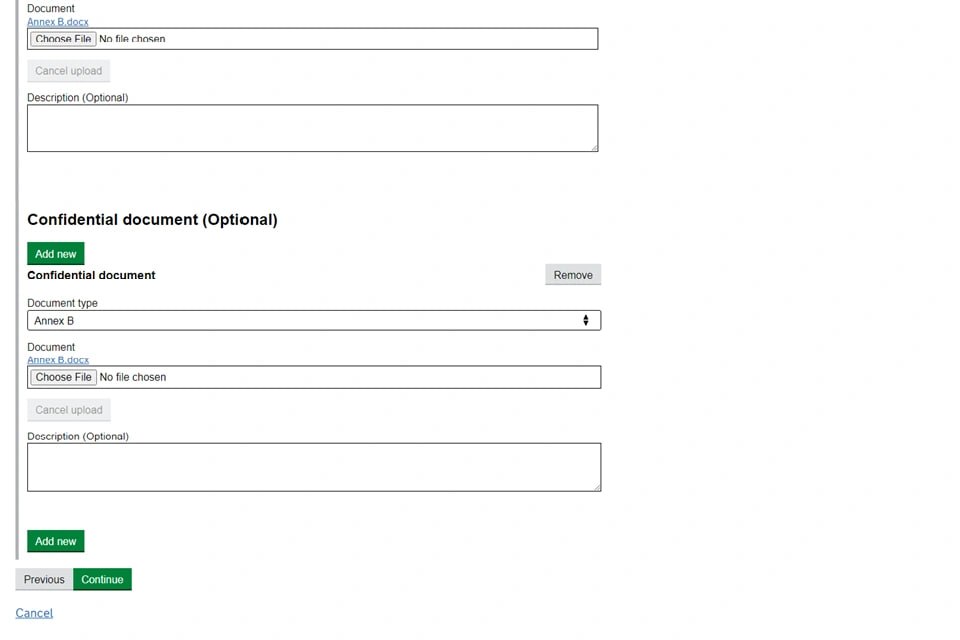
Image Source: GOV.UK
Step 1: Find the right lender for you
Download credit union apps or check credit union websites to see what family loan options they offer. Compare how much you can borrow, what the interest rates are, and how long you’ll have to pay it back. Some lenders let you apply straight through their website, others want you to use their mobile app.
Step 2: Fill in your application
Get your bank details, National Insurance number, and child benefit reference ready before you start. You’ll need to tell them about your income and what you spend each month, plus any other debts you have. Many lenders use Open Banking to check your details quickly, but you can send bank statements instead if you prefer. If it’s your first time applying, you’ll need proof of your child benefit from HMRC.
Step 3: Switch your child benefit payments
Once they approve your loan, contact the DWP to redirect your entire child benefit to your credit union account. You can do this through Government Gateway online, by phone, or using the HMRC app. Your lender needs to get your first child benefit payment before they’ll release your loan money.
Step 4: Get your cash
Your loan money goes into your bank account within two working days of your first child benefit payment arriving. They will take automatic repayments from your benefit. The system sends any money left to your account.
Step 5: Keep track of everything
Check your credit union account regularly so you know how much loan you’ve got left and how your savings are growing. When your savings are more than your loan balance, you can take out the extra money.
Make the right choice for your family
Read every detail before you sign
Never sign anything without reading all the loan terms. Check the interest rate, repayment schedule, and total amount you’ll pay back. APR isn’t just numbers – it shows what you’ll actually pay.
Read the small print carefully. Hidden details can change everything about your borrowing experience.
Child benefit loan products often have no hidden fees. They also have no early repayment charges. Always double-check with your lender.
Don’t make these common mistakes
Only borrow what you genuinely need. Borrowing too much means higher monthly repayments and more interest.
Don’t rush into the first offer you see. Shopping around could save you hundreds of pounds. But don’t apply to several lenders at once – this damages your credit score.
Make loan repayments your priority. Missing payments leads to extra fees.
Consider your other options first
Budgeting Loans or other credit unions might offer better terms. You could:
- Save up first to avoid interest completely
- Use a 0% purchase card if you can clear it on time
Get free help before you borrow
Don’t make these decisions alone. MoneyHelper offers free guidance to help you manage your finances. StepChange provides free debt management plans with no judgement.
National Debtline and Citizens Advice also give free, confidential support.
We want you to make the best choice for your circumstances. Free advice is always available when you need it.
Ready to get the financial support your family needs?
You’ve got all the information you need to make the right choice. Credit unions offer family loans for parents like you. They have affordable rates and flexible benefit loans with no credit check.
Don’t rush into the first offer you see. Take your time comparing what’s available.
Borrow only what you actually need – this keeps your repayments manageable and saves you money on interest.
Remember, free debt advice is there if you need it. No judgment—just encouragement right when you need it most.
A credit union child benefit loan can help your family manage unexpected costs while you save at the same time. That’s financial support that works for you.
FAQs
Q1. What types of loans are available if I receive Child Benefit?
Credit unions offer loan options for Child Benefit recipients. These include Child Benefit Loans from £100 to £3,000. They also offer Small Loans up to £4,999.
Personal Loans range from £5,000 to £15,000. Saver Loans are available up to the value of your savings. The specific amounts and terms vary depending on which credit union you join.
Q2. Will a loan from family members affect my tax situation?
Generally, receiving a loan from family members or friends doesn’t create immediate tax consequences for you as the borrower. However, if you agree to pay loan interest, the lender may need to pay tax on it.
This depends on the lender’s own tax situation.
Q3. How does the £500 Child Benefit loan scheme work?
With this scheme, eligible parents can borrow up to £500 over a 40-week repayment period. You repay the loan from your Child Benefit payments. Each week, an automatic transfer moves £1 into a savings account.
If you repay the loan on time, the credit union often adds a bonus to your savings. For example, £80.
Q4. Do I need a good credit score to get a Child Benefit loan?
No, Child Benefit loans aim to stay accessible and do not require a perfect credit score. Credit unions assess what you can afford rather than relying on credit checks. This makes these loans available to families who may not qualify for traditional lenders.
Q5. What documents do I need to apply for a Child Benefit loan?
You’ll usually need proof of identity, like a passport or driving licence. You’ll also need proof of address dated within the last three months. Make sure you have a recent bank statement that shows your Child Benefit reference number.
If you switch payments to the credit union, bring confirmation from your Government Gateway account.
Related links
How to get a loan from a credit union