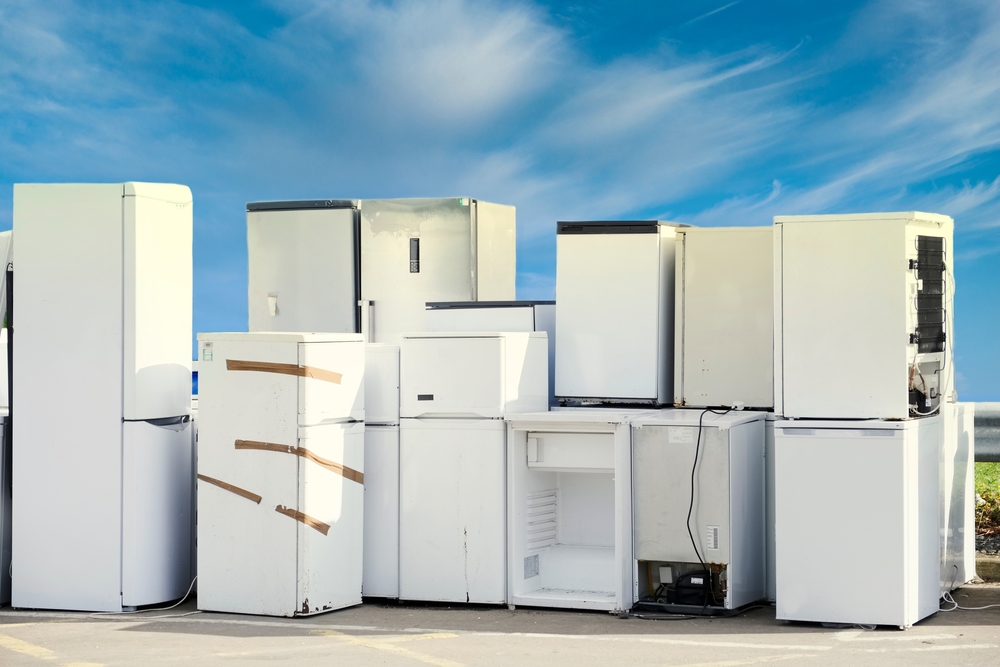
New Fridge: When Should You Buy One and Is It Worth the Cost?
Estimated reading time: 5 minutes
Key Takeaways
- Consider upgrading to a new fridge when your current one is old, inefficient, or requires frequent repairs.
- Common signs that indicate it’s time for a new fridge include increased energy bills and food spoilage.
- While new fridges offer benefits like lower energy costs and better food preservation, upfront costs can be high.
- Financing options, such as short-term loans, can help spread the cost and make a new fridge more affordable.
- Weigh the benefits of a new fridge against its cost; it often becomes necessary for efficiency and reliability.
Contents
Buying a new fridge is not something most people plan for in advance. It’s often triggered by a breakdown, rising energy bills, or changing household needs. However, understanding when to invest in a new fridge—and how to manage the cost—can help you make a smarter financial decision.
This SEO-optimised guide covers when to buy a new fridge, what causes people to replace theirs, the pros and cons, and how to spread the cost with short-term financing.
When Should You Buy a New Fridge?
A new fridge becomes necessary when your current appliance is no longer reliable or efficient. While waiting until it completely fails is common, there are early warning signs you shouldn’t ignore.
Common Signs You Need a New Fridge
- Your fridge is over 10–15 years old
- Food spoils quickly
- The motor runs constantly or makes loud noises
- Frost builds up in a frost-free unit
- Energy bills are increasing
- You’ve had multiple repairs recently
According to Energy Saving Trust, older appliances can use significantly more energy than modern alternatives, making replacement a cost-effective long-term choice.
What Causes Someone to Buy a New Fridge?
Several factors lead people to purchase, and recognising them can help you decide if now is the right time.
1. Appliance Breakdown
A fridge that stops cooling or leaks requires immediate attention. In many cases, replacement is the only practical solution.
2. Rising Energy Costs
Older fridges are less efficient. Resources like Which? highlight how upgrading to an energy-efficient model can reduce household energy consumption.
3. Lifestyle Changes
Growing families, moving house, or changing eating habits often require a different fridge size or layout.
4. Frequent Repairs
If repair costs are adding up, investing in a new fridge is often more economical.
5. Poor Performance
Temperature inconsistency and excess condensation are clear signs your fridge is no longer working efficiently.
Benefits of Buying
Investing in new offers several long-term advantages.
Lower Energy Bills
Modern appliances are designed to use less electricity. Guidance from Energy Saving Trust shows that upgrading appliances can lead to noticeable savings over time.
Better Food Preservation
A fridge maintains consistent temperatures, helping food stay fresher for longer and reducing waste.
Improved Features
Many new models include:
- Frost-free technology
- Adjustable shelving
- Digital controls
- Quiet operation
- Smart features
Environmental Benefits
It reduces your carbon footprint by consuming less energy, aligning with sustainability goals.
Drawbacks of Buying a New Fridge
Despite the benefits, there are some downsides to consider.
Upfront Cost
They can cost anywhere from £200 to £2,500+, depending on features and size.
Additional Expenses
You may also need to pay for:
- Delivery
- Installation
- Disposal of your old appliance
Depreciation
Like most appliances, they loses value over time.
How Much Do They Cost?
Typical price ranges include:
- Budget: £200–£400
- Mid-range: £400–£800
- Premium: £800–£2,500+
Spreading the Cost
If paying upfront isn’t practical, spreading the cost can make them more affordable.
Using a Short-Term Loan
Short-term loans allow you to purchase immediately and repay over time.
Example:
- £600 fridge over 12 months = ~£50/month (plus interest)
- £600 fridge over 6 months = ~£100/month
Benefits of Financing
- Immediate access to a working fridge
- Predictable monthly payments
- No need to delay essential purchases
Drawbacks of Financing
- Interest increases total cost
- Missed payments affect credit score
Should You Repair or Replace Your Fridge?
A common rule is the 50% rule:
If repairs cost more than 50% of a new fridge, replacement is usually the better option.
Choosing the Right One
When buying, consider:
Size and Capacity
Choose a model that fits your kitchen and household needs.
Energy Efficiency
Look for high energy ratings to reduce long-term costs.
Layout
Options include:
- 60/40 split
- 70/30 split
- American-style
Features
Focus on practical features rather than unnecessary extras.
Budget
Balance upfront cost with long-term savings.
Conclusion: Is Buying a New Fridge Worth It?
They are often a necessity rather than a luxury. Whether your current appliance has failed or is becoming inefficient, replacing it at the right time can save money and improve daily life.
While the upfront cost may seem high, the benefits—lower energy bills, better food preservation, and improved reliability—make it a worthwhile investment. If needed, spreading the cost through a short-term loan can make the purchase far more manageable.
Q&A
Q1: How do I know when I need a new fridge?
If it’s over 10–15 years old, inefficient, or frequently breaking down, it’s time to consider a new fridge.
Q2: Is a new fridge more energy efficient?
Yes, modern models use significantly less energy than older ones.
Q3: Can I finance a new fridge?
Yes, short-term loans and retailer finance options are widely available.
Q4: What size should I buy?
It depends on your household size and storage needs.
Q5: Is it worth repairing an old fridge?
If repair costs exceed 50% of a new fridge’s price, replacement is usually better.
Q6: What is the average cost of a new fridge?
Between £200 and £2,500+, depending on the model.
Q7: What are the main benefits of a new fridge?
Lower energy bills, better performance, and modern features.
Related links